
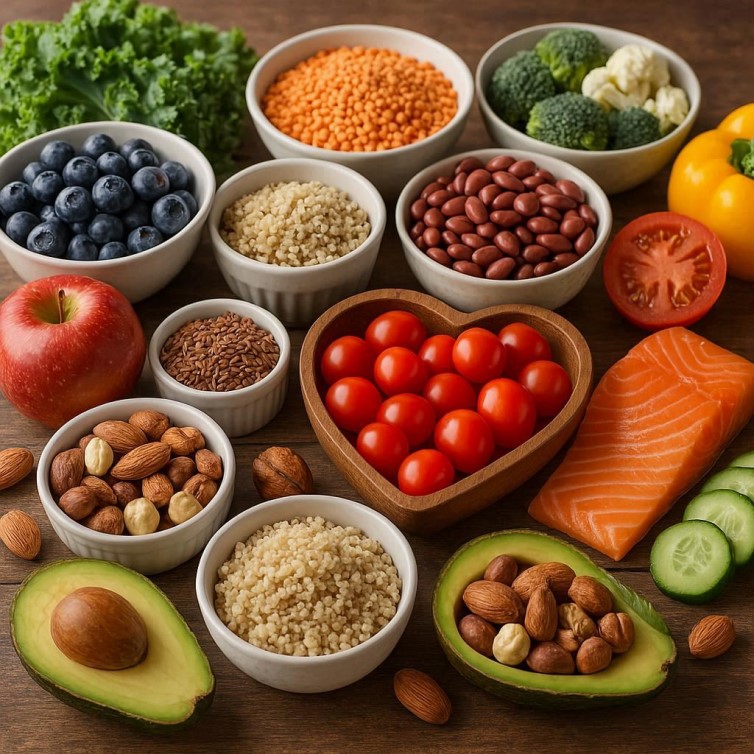
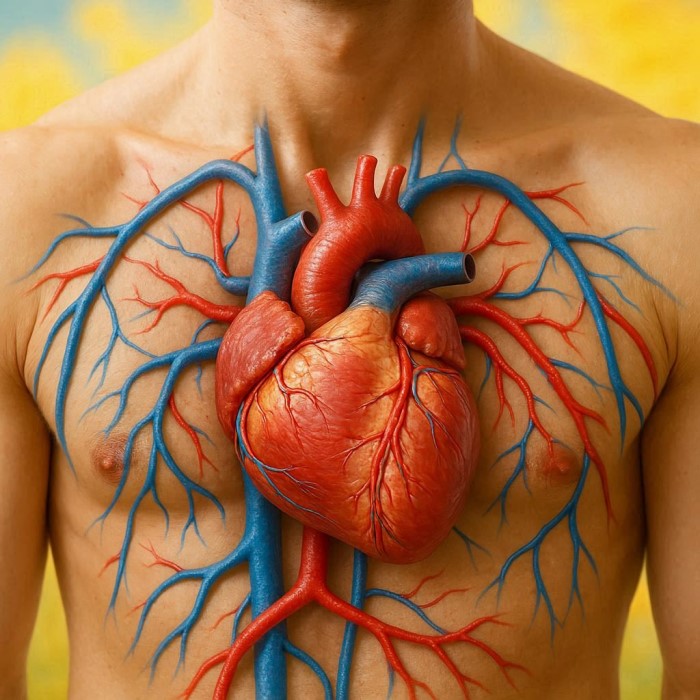
Our heart is one of the most important organs in the human body, and maintaining its health is crucial for longevity and, of course, well-being. Nutrition and dietary adjustments play an important role in cardiovascular health, significantly affecting cholesterol levels, blood pressure, and various inflammatory processes. We offer the best foods for heart health, the list of which is the result of research. This will help all interested people make informed food choices that will have a positive impact on the condition and functioning of the heart.
- Fatty fish
Fatty fish, such as salmon, mackerel, sardines and tuna, are rich in omega-3 fatty acids, which gradually reduce inflammation, lower triglyceride levels and reduce the risk of arrhythmia. For example, the American Heart Association (AHA) recommends eating at least two servings of oily fish per week.
2-3. Nuts and seeds
Almonds, walnuts, flax seeds and chia seeds are rich in healthy fats, fibre and protein. Walnuts, for example, contain high levels of alpha-linolenic acid (ALA), a plant-based omega-3 that supports heart health. These foods also help lower LDL cholesterol (bad cholesterol) while raising HDL cholesterol (so-called good cholesterol).
- Whole grains
Oats, brown rice, and whole wheat products contain essential fibre that helps lower cholesterol and maintains fairly stable blood sugar levels. Beta-glucan, a soluble fibre found in oats, is especially beneficial for lowering LDL cholesterol.
- Various berries
Strawberries, blueberries, raspberries, and blackberries are rich in antioxidants, vitamins, and fibre. They help fight oxidative stress and inflammation, which are known to contribute to heart disease. The flavonoids found in berries are known to improve blood vessel function and effectively lower blood pressure.
- Leafy greens
Spinach, cabbage, Swiss chard and salad greens are rich in vitamins, minerals and nitrates, which actively help lower blood pressure and improve the functioning and overall condition of the arteries. They are also an excellent source of vitamin K, which supports healthy blood clotting and the elasticity of small blood vessels.
- Olive oil
Olive oil, especially extra virgin olive oil, is a key component of the diet of many European nations. It has long been known for its heart-healthy properties and contains many monounsaturated fats and polyphenols that reduce inflammation and improve cholesterol levels.
- Legumes
Beans, lentils and chickpeas provide the body with plant protein, beneficial fibre and essential minerals such as potassium and magnesium. Regular consumption of all legumes is associated with lower cholesterol levels and improved heart health.
- Dark chocolate
Dark chocolate (especially those containing more than 70% cocoa) has flavonoids that improve blood flow, reduce inflammation and lower blood pressure. But moderation is key here, as added sugar can negate its benefits.
- Avocado
Avocados are an excellent source of monounsaturated fats, which help lower LDL cholesterol while raising HDL cholesterol. They also contain potassium, an important mineral for regulating blood pressure.
- High-quality green tea
Rich in catechins, green tea supports heart health by improving cholesterol levels and reducing oxidative stress. Regular consumption of green tea provides a real reduction in the risk of heart disease and stroke.
- Tomatoes
Tomatoes contain lycopene, an antioxidant known to reduce the risk of heart disease by improving lipid profile and reducing inflammation. Cooking tomatoes with healthy fats such as olive oil improves lycopene absorption.
- Garlic
Garlic contains allicin, a well-known chemical compound that has been shown to lower blood pressure, improve cholesterol levels and prevent blood clots. Eating raw or lightly cooked garlic maximises its cardioprotective effects.
- Quinoa
Regular consumption helps to significantly reduce LDL cholesterol levels, which are directly linked to the risk of cardiovascular disease.
