
What types of tea are the healthiest for the stomach, how do they affect it and why?
Different types of tea can have different effects on the stomach, and their usefulness may depend on your individual needs and the condition of your gastrointestinal tract. Here are a few teas that have a positive effect on the stomach and an explanation of their effects from a scientific perspective:
1. Peppermint: peppermint tea has antispasmodic properties that can help relieve muscle spasms and stomach pain. It can also help with digestion by reducing bloating and getting rid of gas (‘12 Science-Backed Benefits of Peppermint Tea and Extracts,’ Medically reviewed by Amy Richter, RD, Nutrition – Written by Melissa Groves, March 2023, https://www.healthline.com/nutrition/peppermint-tea).
Other studies indicate that peppermint contains phenolic compounds such as rosmarinic acid and essential oils including menthol and menthone. These are the components that have demonstrated antimicrobial, antioxidant and anti-inflammatory activity against the gastrointestinal tract in general (‘A review of the bioactivity and potential health benefits of peppermint tea (Mentha piperita L.) Diane L McKay, Jeffrey B Blumberg’.
2. Shu Puer. Shu Puer helps to improve digestion and gently relax stomach muscles, which may be helpful in reducing food allergies and feelings of heaviness. The results of scientific studies show that pre-administration of Pu-erh tea extracts significantly reduced ulcer formation, myeloperoxidase (MPO) activity and asymmetric dimethylarginine (ADMA) concentration, indicating anti-inflammatory effects and ability to protect the gastric mucosa (‘Protective effect of Pu-erh tea extracts against ethanol-induced gastric mucosal damage in rats’, authors: Jinna Yang (Department of Pharmacology, School of Life Science and Biopharmaceutics, Shenyang Pharmaceutical University, China), Wangyi Zhou (Department of Pharmacology, Tasly R&D Institute, Tasly Pharmaceuticals, Inc. , Tianjin China), Biomedical Reports, 2018 Feb 20;8(4):335-342).
3. Ginger: it contains the components: 6-gingerol, 6-shogaol and zingerone (‘Ginger Bioactives: A Comprehensive Review of Health Benefits and Potential Food Applications’, by Muhammad Nouman (Department of Agriculture, Food and Environment, University of Catania, Italy), Akmal Nazir (Department of Food Science, College of Agriculture and Veterinary Medicine, United Arab Emirates University, United Arab Emirates). These substances soothe the gastric mucosa and help with nausea. It also stimulates digestion and has anti-inflammatory properties that help with inflammatory bowel disease. Also, its antimicrobial properties protect the stomach from pathogens (‘What Happens to Your Body When You Drink Ginger Tea Regularly,’ By Devineé Lingo, Reviewed by Dietitian Christa Brown, October 23, 2024, https://www.eatingwell.com/ginger-tea-benefits-8603959?).
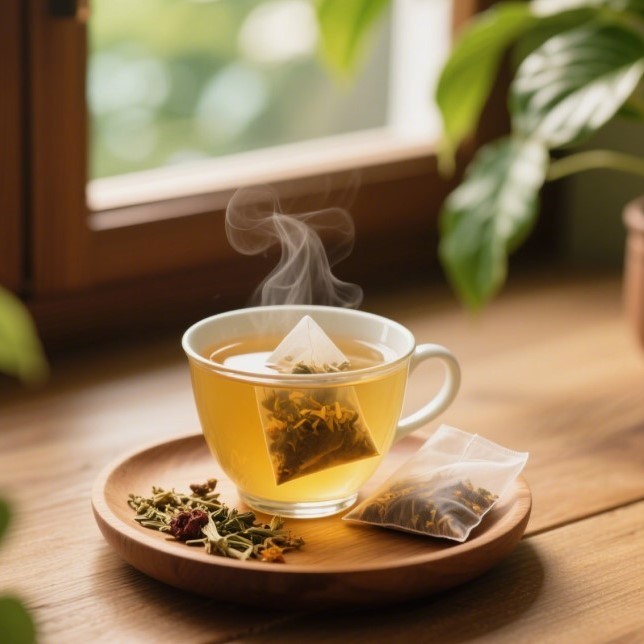
4. Chamomile. Chamomile is a great inflammation reliever and stomach cramp remover, normalises the secretion of digestive glands, and is good for all gastritis and stomach ulcers (also duodenal ulcers). Chamomile is also able to relieve swelling of the gastric mucosa.
Studies show that chamomile is good at suppressing Helicobacter pylori (a bacterium that can contribute to stomach ulcers) and helps reduce smooth muscle spasms associated with various inflammatory gastrointestinal diseases (“Chamomile: A herbal medicine of the past with a bright future’, by Janmejai K. Srivastava, Eswar Shankar (Department of Urology and Nutrition, Case Western Reserve University, Cleveland, USA, University Hospitals Case Medical Center, Cleveland, USA), Molecular Medicine Reports, September 27, 2010, Pages: 895-901).
5. Green tea – it contains antioxidants that can help in reducing inflammation in the stomach, but green tea also stimulates the secretion of gastric juice and this is something to consider. It can also help speed up your metabolism.
Green tea is quite rich in polyphenolic compounds and their main component is catechins. Studies have shown that it is the catechins that have positive pharmacological properties for the body, namely: antioxidant, anti-inflammatory, anticarcinogenic, antiarteriosclerotic and antibacterial action. consumed green tea in the gastrointestinal tract effectively activates intracellular antioxidants, suppresses the appearance of procarcinogens as well as angiogenesis and proliferation of cancer cells. There are positive results in preventing stomach and colon cancer with regular consumption of green tea. Since the catechins contained in green tea are well absorbed in the gastrointestinal tract and synergise, consumption of unfractionated green tea is the easiest and most useful way to prevent gastrointestinal disorders (‘Pharmacological effects of green tea on the gastrointestinal system’, Marcel W L Koo, Chi H Cho (Department of Pharmacology, Faculty of Medicine, The University of Hong Kong, China), European Journal of Pharmacology, Volume 500, Issues 1-3, 1 October 2004, Pages 177-185).
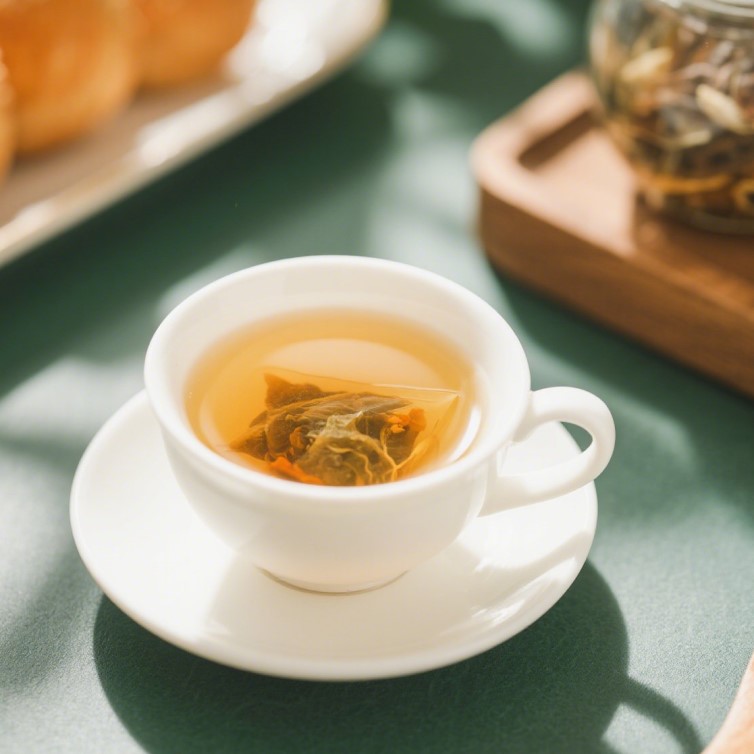
6. St John’s Wort. It perfectly normalises the function of gastric glands, in addition, it has anti-inflammatory effect on the mucosa, astringent and bacteriostatic effect. St John’s wort is really effective in the treatment of hypoacid gastritis.
The study showed that St John’s wort extract has a potential gastroprotective effect in the treatment of indomethacin-induced gastric ulcers. The results of the experiments show a decrease in ulcer index in the group that regularly received Hypericum perforatum extract (‘Gastroprotective effect of Hypericum perforatum extract on indomethacin induced gastric ulcer in rats’, by Merve Avcıoğlu, Ferda Akar (Aydın Adnan Menderes University, Faculty of Veterinary Medicine, Department of Pharmacology and Toxicology, Turkey), Journal MVZ Córdoba
2022; May-August. 27(2):e2355).
7. Licorice (licorice) tea. Studies have shown that licorice extract is effective in treating Helicobacter pylori infection, which is a major cause of gastric ulcers (‘Gastroprotective effects of herbal medicines (roots)’, Solmaz Asnaashari, (Biotechnology Research Center, Tabriz University of Medical Sciences, Iran), Siavash Dastmalchi (Faculty of Pharmacy, Tabriz University of Medical Sciences, Iran), International Journal of Food Properties Volume 21, 2018 – Issue 1).
Licorice can also help prevent and even treat ulcers by significantly increasing mucus production in the stomach, which soothes its mucous membranes (‘Natural Products in the Management of Gastroesophageal Reflux Disease: Mechanisms, Efficacy, and Future Directions,’ by Kayode Komolafe (Environmental Science PhD Programme, Jackson State University, USA), Titilope Ruth Komolafe (Department of Biology, Jackson State University), Nutrients 2025, 17(6), 1069).
It is important to note that the effects of tea can vary from person to person, and that highly concentrated tea or drinking large amounts of tea can cause stomach irritation. If you have real problems with your stomach or digestion in general, it is always advisable to discuss your tea consumption with a specialist gastroenterologist or dietitian to find the best type of tea and determine the optimal amount for you.
