
In the modern world, restaurants are no longer just a place to eat, but a space of good emotions, pleasant and interesting atmosphere, quality of service, aesthetics, taste and comfort. But how do you find the one that is perfect for you among thousands of establishments? It’s not an easy question, but let’s try to figure it out.
Below are 10 key criteria that will really help you make an informed choice and never make a mistake with the right restaurant again.
1. Determine the purpose of the visit
First of all, you need to give a clear answer to the question:
- Why are you going to a restaurant?
- Is it for a romantic date?
- A business meeting?
- Perhaps for a family dinner?
- For an interesting gastronomic adventure?
- Or just for a quick bite to eat?
Each of these goals requires a different approach. The ideal restaurant for a first date is usually about atmosphere, intimacy and music, while a business meeting is more about silence, stable Wi-Fi and a neutral background.
2. Cuisine: authenticity, quality and uniqueness
Real cuisine is the heart of a restaurant. In this context, we recommend that you pay attention to the following vats:
- quality of ingredients (whether the products are fresh, whether there are local farm suppliers)
- professionalism of the chef (you can look at the menu or find reviews about him)
- uniqueness of dishes (whether the restaurant has specialities, author’s recipes or developments)
- authenticity – if you go to a Georgian restaurant, the dishes should be authentic, not adapted ‘for everyone’.
But you don’t have to chase only famous cuisine – often local small establishments bring real gastronomic discoveries and all-round enjoyment of dishes.
3. Atmosphere
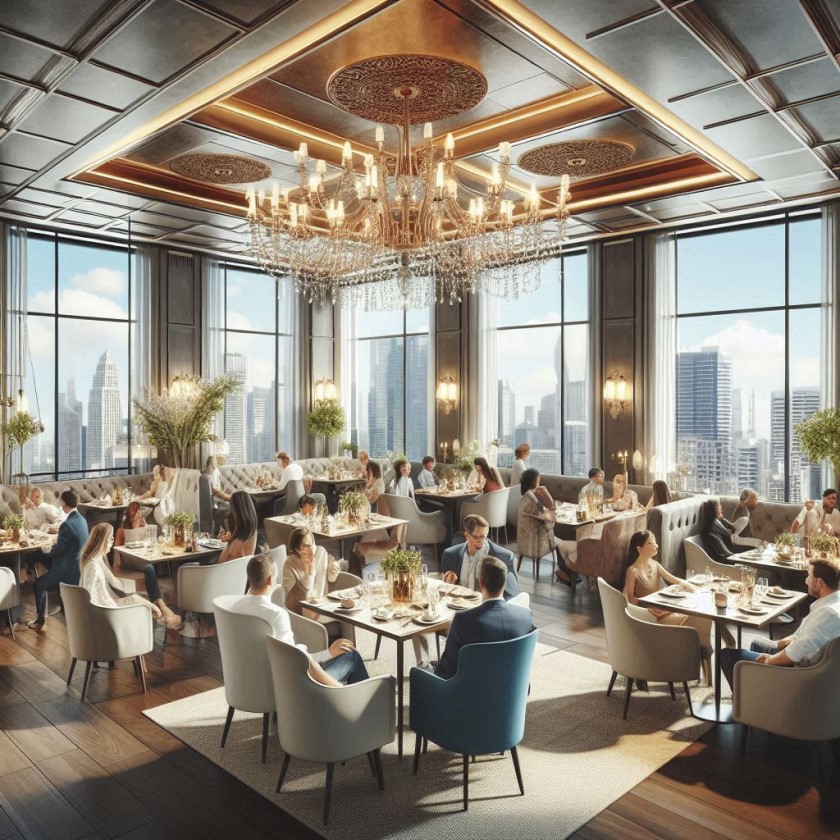
It’s more than just the interior. Atmosphere is not only about design and decoration, but also about the overall impression of sounds, lighting, smells, music, colours and personal feelings.
Here you need to ask yourself the following questions:
- Do you feel cosy?
- Is it comfortable to have a conversation or listen to the interlocutor?
- Does the atmosphere match your mood?
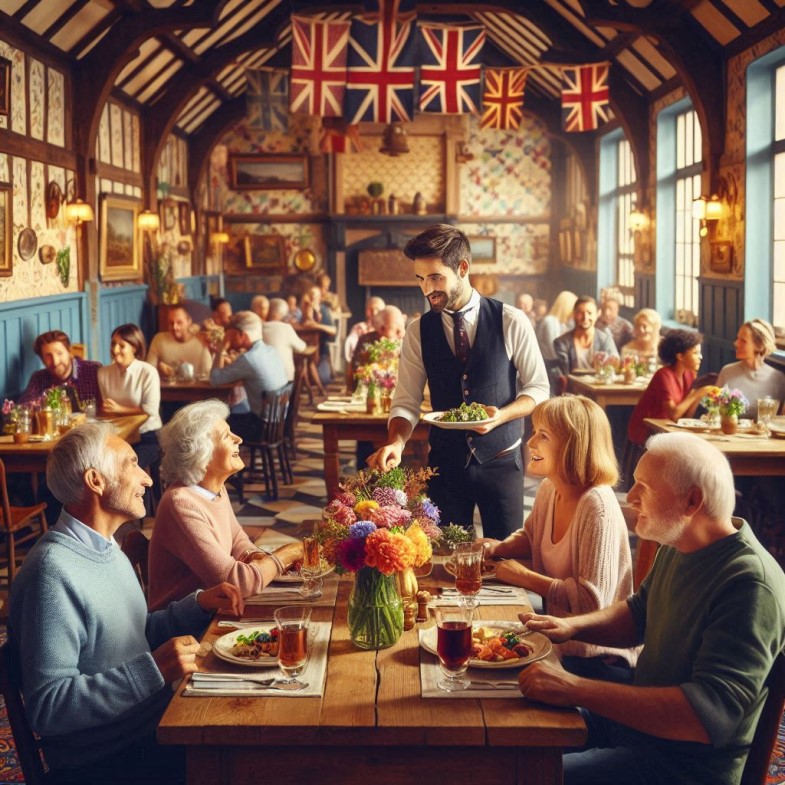
Some restaurants are designed in a single concept – from serving to waiters’ uniforms, which creates an ‘immersion’ effect. If you appreciate this, look for such places.
4. Service
This means speed, politeness and knowledge of the menu. Waiters are the face of the restaurant. In an ideal restaurant, you should be greeted with a smile, not kept waiting, know the menu and be able to recommend the right dish or drink, and be ready to adapt the dishes to your wishes (offer gluten-free, vegan, spicy, etc.). The service should also be unobtrusive but attentive. If the staff is annoying or ignoring you, even the perfect cuisine won’t save your future experience.
5. Menu
The main thing in it is balance, transparency, and literacy.
A good restaurant’s menu should be:
- concise – without hundreds of items (the more items, the greater the chance that some of them will be from the freezer)
- understandable – without incomprehensible terms without adequate explanation
- seasonally oriented – all dishes should change with the seasons
- with proper pricing – the high price should be justified by the composition of the dish and its presentation.
Ideally, a great menu should make you want to try everything on it. If it raises doubts, this is not a very positive signal.
6. Pricing policy
The main thing here is the price-quality ratio. An ideal restaurant is not necessarily expensive. But it always offers the right price for good quality, which is reflected in the following parameters:
- transparent menu without hidden fees
- the ability to preview prices online
- clear correspondence of portion, ingredients and service to price
A little advice: always pay attention not only to the price of the dish, but also to the size of the portion and its ingredients – this is very important.
7. Hygiene and cleanliness
This is a criterion that is not always spoken out loud, but it is one of the most important. In this context, you should pay attention to the following points:
- cleanliness of tables, corridors, toilets, dishes
- appearance and neatness of staff
- availability of disinfectants
- transparent kitchen (if possible, tolerate a look into it)
- cleanliness is a real marker of quality and respect for the client
8. Location and convenience
Even the best restaurant can be overlooked by potential visitors if it is difficult to get to it or there is an unsafe environment around it.
In this regard, consider the following points:
– accessibility of transport or easy parking
– physical safety of the area
– distance to your home or meeting place
– view from the window (this is especially important for romantic evenings or popular tourist cities)
9. Reviews and reputation
Before going to a restaurant, be sure to check it out:
- google reviews, TripAdvisor, OpenTable aggregators
- photos of visitors (and they often do not coincide with the official ones)
- comments on service, waiting time, and staff attitude to customers
But you shouldn’t make radical conclusions based on the rating of a restaurant. Always read detailed reviews – they usually contain more truth.
10. Details that create emotions
The real ideal restaurants are distinguished by their own little things, such as:
- greetings by name if you are a regular customer
- compliments from the kitchen or chef
- seasonal decorations
- live music or properly selected playlists
- birthday gifts for regular visitors
These are the little things that do not cost significant labour and financial costs for a restaurant, but they create a positive emotional trace that you want to return to.
In general, it can be noted that an ideal restaurant is not necessarily a ‘luxury’ level, with Michelin stars and a month’s reservation. It’s the option that resonates with you, meets all your needs, sometimes impresses you with details and leaves you with vivid emotions of satisfaction. Therefore, in order to choose your ideal restaurant, you should learn to feel yourself and learn to evaluate establishments not only by taste, but comprehensively – according to all 10 of the above criteria.
